Plane Crash Physics Airliners vs Fighters vs Oddballs
Pick the right class for spectacle, precision, or comedy wrecks in the Plane Crash Physics trilogy.
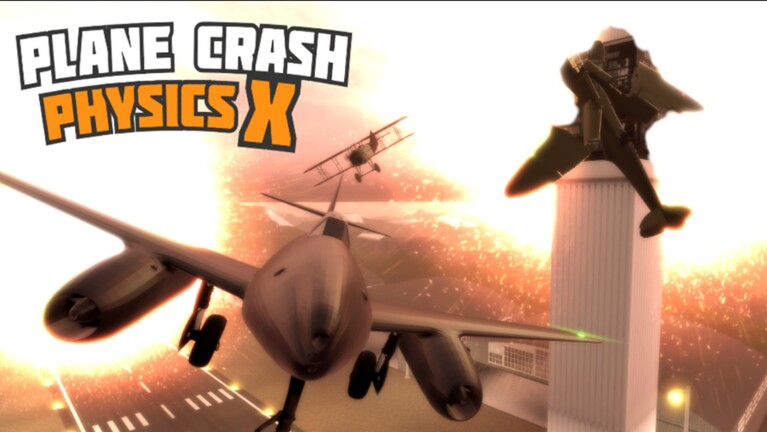
Not every airframe tells the same crash story. In Roblox Plane Crash Physics, a widebody airliner, a sharp fighter, and a Physics 2 blimp can hit the same hill and produce three different clips. This page compares airliners, fighters, and oddballs (helicopters, blimps, cars, novelty props) so you stop guessing in the spawn menu. Cross-link it with the Aircraft Roster, the Tier List Hub, and Best Crash Planes whenever you plan a recording night.
The comparison lens
Judge classes on five axes:
- Breakup readability — can you track wings and engines?
- Ragdoll / cabin story — does the hit show passenger-scale chaos?
- Energy control — how easy is a stable setup before impact?
- Map fit — airports, hills, water, or open pads?
- Reset speed — how fast can you iterate?
Airliners usually win axes 1–2. Fighters often win 3–5 once you can fly them. Oddballs win novelty and comedy. Deep breakup coaching lives on Ragdoll and Breakup.
Airliners: the spectacle default
Airliners are the genre mascot for a reason:
- Long fuselages keep silhouette readable after the first hit.
- Multiple engines create secondary debris paths.
- Cabin scale sells ragdoll impulses better than tiny jets.
- Momentum turns shallow belly slams into long, filmable slides.
Best uses: Physics X terminal strikes, runway scrapes, hillside cartwheels, water ditches with floating sections. Watch outs: slow rotation punishes late go-arounds; crowded airports need disciplined finals from How to Fly.
Start here if you are coming from Getting Started or learning How to Crash recipes.
Fighters and light jets: precision chaos
Fighters deliver thrust, pitch authority, and needle dives:
- Fast climbs mean quicker resets between takes.
- Sharp dives create high-energy punch impacts.
- Smaller debris footprints look surgical instead of cinematic.
- Mistakes punish harder—spins teach less if you never stabilize first.
Best uses: vertical energy demos, tower needle clips, quick iteration practice, open-sky cartwheels. Watch outs: weak cabin story; easy to overshoot the camera frame; beginners often spawn fighters too early.
Master throttle on a mid airliner, then move up. Confirm device binds on Controls.
Oddballs: helicopters, blimps, cars, props
Helicopters (Physics 2 highlight)
Hover, side-slip, and vertical drops create angles fixed-wing planes struggle to match. Great for taxiway pancakes and roof scrapes. See the Physics 2 guide.
Blimps
Low speed, long fall times, comedy physics. Perfect when the server wants slow-motion spectacle instead of an instant fireball.
Cars
Ramp and jump chaos. They will not replace wing separation cinema, but they refresh sessions between serious airliner takes.
Small props / GA
Teaching tools with faster iteration and tighter hillside lines. Ideal while you learn energy management before stepping into widebodies.
Head-to-head crash scenarios
| Scenario | Prefer | Why |
|---|---|---|
| Physics X terminal face plant | Airliner | Silhouette + multi-engine debris against buildings |
| Fast “one more take” loop | Fighter | Climb and reposition quickly |
| Cabin ragdoll showcase | Airliner | Scale and impulse readability |
| Comedy night | Blimp / car | Slow falls and novelty |
| Hover-drop onto apron | Helicopter | Vertical energy unique to rotors |
| Teaching a friend | Prop or mid airliner | Forgiving speeds |
| Water ditch highlight | Airliner | Floating sections read clearly |
Map pairing tips sit in Maps and Airports. Airport specialists should also skim the Physics X guide.
How this feeds the tier list
Spectacle tiers are not the same as “coolest spawn icon.” An S-tier crash plane is usually an airframe that separates cleanly on camera—often a heavy airliner—while a beloved fighter might sit in A-tier for energy but lose cabin storytelling. Use:
- Tier List Hub for ranking philosophy.
- Best Crash Planes for S/A/B/C grades.
- This page for class-level decisions before you argue over individual liveries.
Sequel availability reminder
- Original — focused chaotic plane set; airliner vs fighter debates dominate.
- Physics 2 — oddballs join the argument in a big way.
- Physics X — denser plane lists and airports favor airliners for staged drama.
Always spawn inside the place you intend to film. Unlocks do not teleport across experiences. Community Scripts and Plane Spawner tools may change what you can reach on X; they do not change which class fits your story.
Session templates
Spectacle night: two airliner airport hits on X, one hillside cartwheel, one water ditch.
Precision night: five fighter dives with camera pre-aimed, then one airliner for contrast.
Variety night on 2: airliner → helicopter → blimp → car → airliner finale.
Learning night: props only until How to Fly feels boring, then unlock airliners.
Related reading
- Aircraft Hub — class overview.
- Updates — re-test classes after patches.
- Codes — rare promos; unrelated games’ codes do not apply.
- Links Hub — official places.
Pick the class for the story, then the specific plane for the grade. That order keeps spawn menus from wasting your session.
Frequently Asked Questions
Quick answers for pilots, crash testers, and new players.
Are airliners always better than fighters for crashes?
For cinematic breakup and cabin ragdoll, usually yes. Fighters win when you want speed, precision dives, and fast resets.
Where do helicopters and blimps fit?
They are oddball spectacle tools—especially on Physics 2. Use them for variety and comedy, not as strict airliner replacements.
What should beginners spawn?
A mid airliner or simple prop. Save fighters until throttle and pitch feel natural.
How does this page relate to the tier list?
This page chooses class. The tier list and best-crash-planes pages rank specific airframes for spectacle.
Which class is best for Physics X airports?
Heavy airliners with clear silhouettes against terminals and towers. Fighters work for quick tower clips once you can hold a final.