How to Fly in Plane Crash Physics
Stable takeoffs, readable climbs, and approach geometry before you stage the wreck.
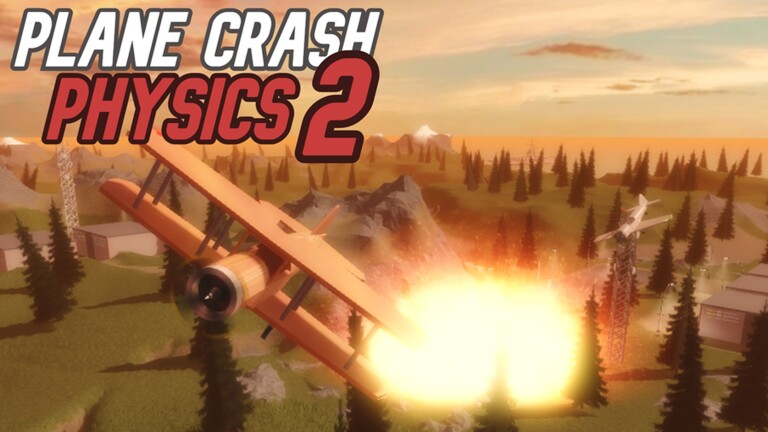
Flying well in Plane Crash Physics is not about airline realism—it is about putting the airplane where the crash will look good. This guide covers takeoff, climb, energy management, and approach lines across the original game, Physics 2, and Physics X so your sessions on How to Crash start from a controlled setup instead of a random tumble.
Mindset: fly for the wreck
Treat every flight as a setup shot. You want altitude, airspeed, and a clear camera angle. Perfect ILS landings are optional; intentional geometry is mandatory. If you are brand new, skim Getting Started and Controls first.
Takeoff checklist
- Spawn on open pavement or a clear runway when the map offers one (Physics X airports help—see the Physics X guide).
- Choose a forgiving airframe from the Tier List—mid-size airliners beat twitchy fighters for learning.
- Center roll inputs, add throttle smoothly, and rotate only after you have forward speed.
- Climb straight until you clear local scenery; bank later.
- Trim your camera so both wings stay visible.
Common takeoff failures: full throttle in a parked nose-high attitude, rotating into a building, or spawning clipped inside another player’s wreck.
Climb and cruise
Once airborne:
- Hold a modest climb angle. Excess pitch bleeds speed and invites a stall demo you did not plan yet.
- Use throttle to manage energy. High altitude with low speed sets up gentle spiral crashes; high speed low altitude sets up explosive runway impacts.
- On Physics 2 and X, experiment with helicopters, blimps, and odd vehicles after you can complete a basic circuit in a normal plane—the Aircraft Roster lists the variety.
Cruise is your scouting phase. Look for hillsides, water, towers, and open fields. Bookmark mental marks the way speedrunners bookmark skips.
Stalls and recovery (on purpose)
A stall is a teaching tool:
- Raise the nose while cutting throttle until the airplane mush-falls.
- Practice recovering once with power and lowered pitch so you know the difference between a controlled stall and a flat spin.
- Then, when you want a dramatic breakup, refuse the recovery and aim the helpless airframe at a photogenic surface.
Pair stall practice with airframes ranked for spectacle on Best Crash Planes.
Approaches that film well
Good approaches share three traits:
- Readable silhouette — the plane is not edge-on to the camera.
- Clear background — sky-to-ground contrast so debris pops.
- Committed energy — enough speed that wings shear, not a soft nose-plant that just stops.
Try these starter patterns:
- Long final into terrain: shallow dive from medium altitude into a hill.
- Water ditch: belly-first into the ocean to watch sinking wreckage.
- Airport overshoot (X): fly a normal approach, then shove the nose at the terminal or tower.
- Midair breakup setup: climb, cut an engine if the place allows failures, then spiral in.
Physics 2 and X flight notes
Physics 2 expands vehicle fantasy—helicopters need vertical thinking; blimps forgive mistakes; cars are chaos toys. The embedded video on this page highlights that sequel’s chaotic flight energy.
Physics X adds airport structure and denser maps. Use runways as measuring sticks for distance, then break the pattern on purpose. More detail lives on the Plane Crash Physics X page and in Series History.
Practice plan (30 minutes)
- Five minutes: two clean takeoffs in a basic airliner.
- Ten minutes: climb, gentle turns, one recovered stall.
- Ten minutes: three intentional approaches into different surfaces.
- Five minutes: respawn into a higher-tier crash plane from the Aircraft Hub and repeat one favorite line.
Optional: if you use community tools from the Scripts Hub, still fly the circuit manually—spawners do not teach energy management.
Next steps
When your approaches feel repeatable, move to How to Crash for breakup timing, ragdoll moments, and camera orbits. Keep Codes bookmarked for rare promo drops, and track patch chatter on Updates.
Frequently Asked Questions
Quick answers for pilots, crash testers, and new players.
How do I take off without spinning?
Feather throttle, keep roll centered, and rotate only after you have forward speed. Practice in a mid-size airliner first.
What altitude should I reach before crashing?
High enough for a readable dive and camera orbit—usually a medium climb clear of local buildings is enough for learning.
Are helicopters flown the same way as planes?
No. Helicopters in Physics 2 need more vertical control. Learn airplanes first, then experiment using the aircraft roster.
Does Physics X change flying?
Airports and maps give better visual references, but throttle and pitch habits transfer. See the dedicated Physics X guide.
Should I use scripts to fly better?
Scripts mainly spawn or unlock planes. Flying skill still comes from practice—see the Plane Spawner page for tool details.